

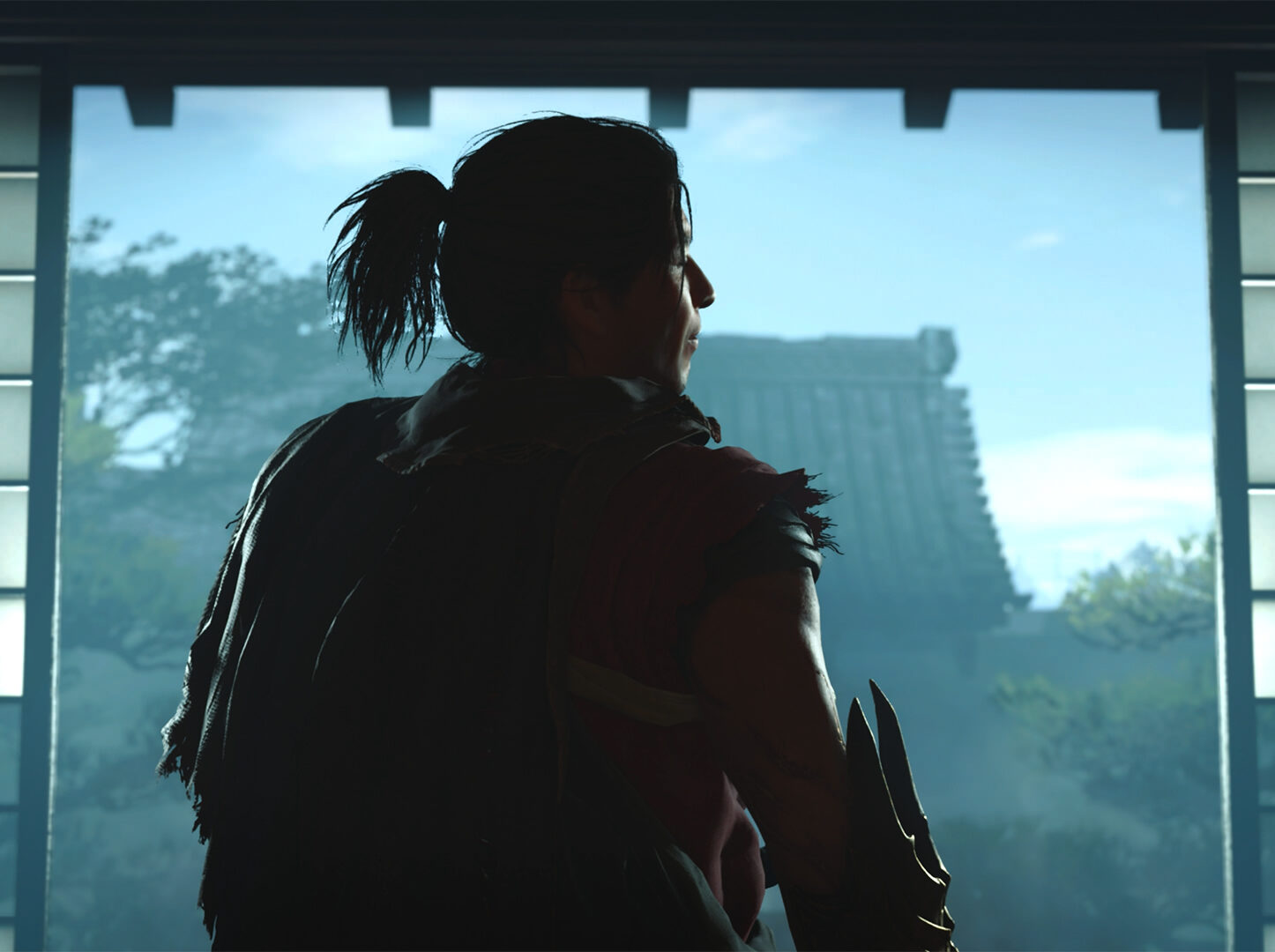
The PlayStation 2 was the first game console I got that was “mine”, and one of the first games I rented to get that “next generation” experience was the original Onimusha back in 2001. Fast forward a quarter of a century and now I find myself with a family, a career, and I’m still pinching myself a bit, waiting to wake up from this dream where we are getting a brand new Onimusha game. Onimusha: Way of the Sword marks the first brand new entry after 20 years, and after getting back into the groove of slaying Genma and wielding the power of the Oni, what has blown me away the most about this new adventure took me completely by surprise.
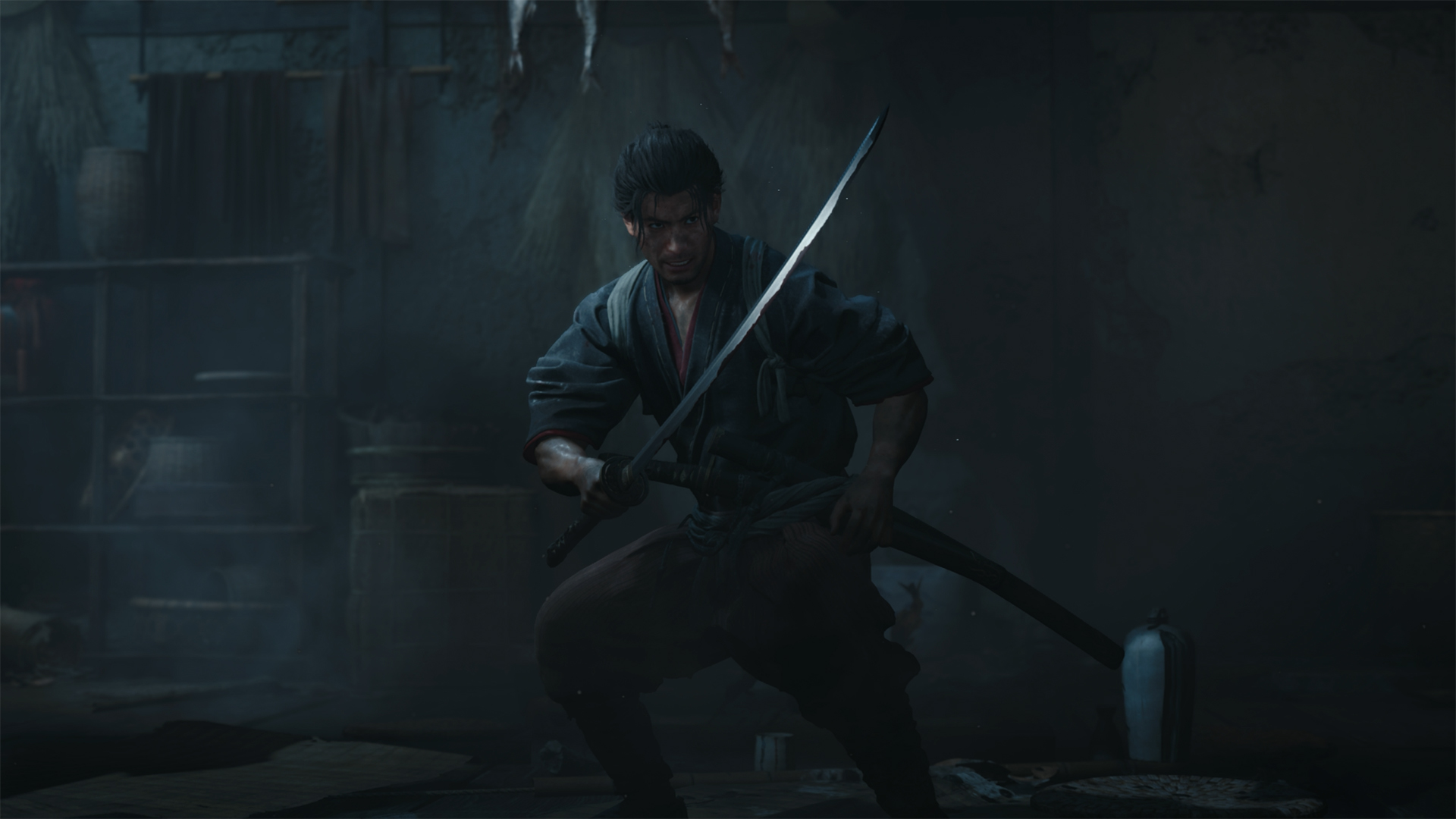 This latest Onimusha is set around Kyoto during the early Edo period and is the start of an all new timeline, unconnected from the previous games. You play as the historical figure and samurai Miyamoto Musashi as events result in him gaining the series’ signature Oni Gauntlet and are tasked with killing a metric crap ton of demons again, and putting the new big bad back in hell. This time around, subbing out Nobunaga for another historical figure, isMinamoto no Yoshitsune, a samurai and brilliant military commander of the era. Unfortunately due to reasons, he was hurled into the deepest pits of hell, and instead of accepting it, he instead took command and overthrew the realm and is working to force open the gates and flood his Genma forces into the real world. It’s up to Musashi and his new allies to put a stop to Yoshitsune’s plans and save Kyoto.
Kyoto itself serves as a sort of a large hub town, where you can stumble on side-missions to help villagers, chests and resources to upgrade your gear with, and evil cute lion dogs to rescue for rewards. As you play and clear the malice fog which hangs heavy and the bony outcroppings, you will expand how much of Kyoto you will be able to check out. It really helped sell that feeling of being a wandering samurai, coming across villagers in trouble and having to rescue them from the Genma assaulting them, many of which were the low-tier enemies so I really felt like a badass as I sniped them with my bow or cut them down in a single strike.
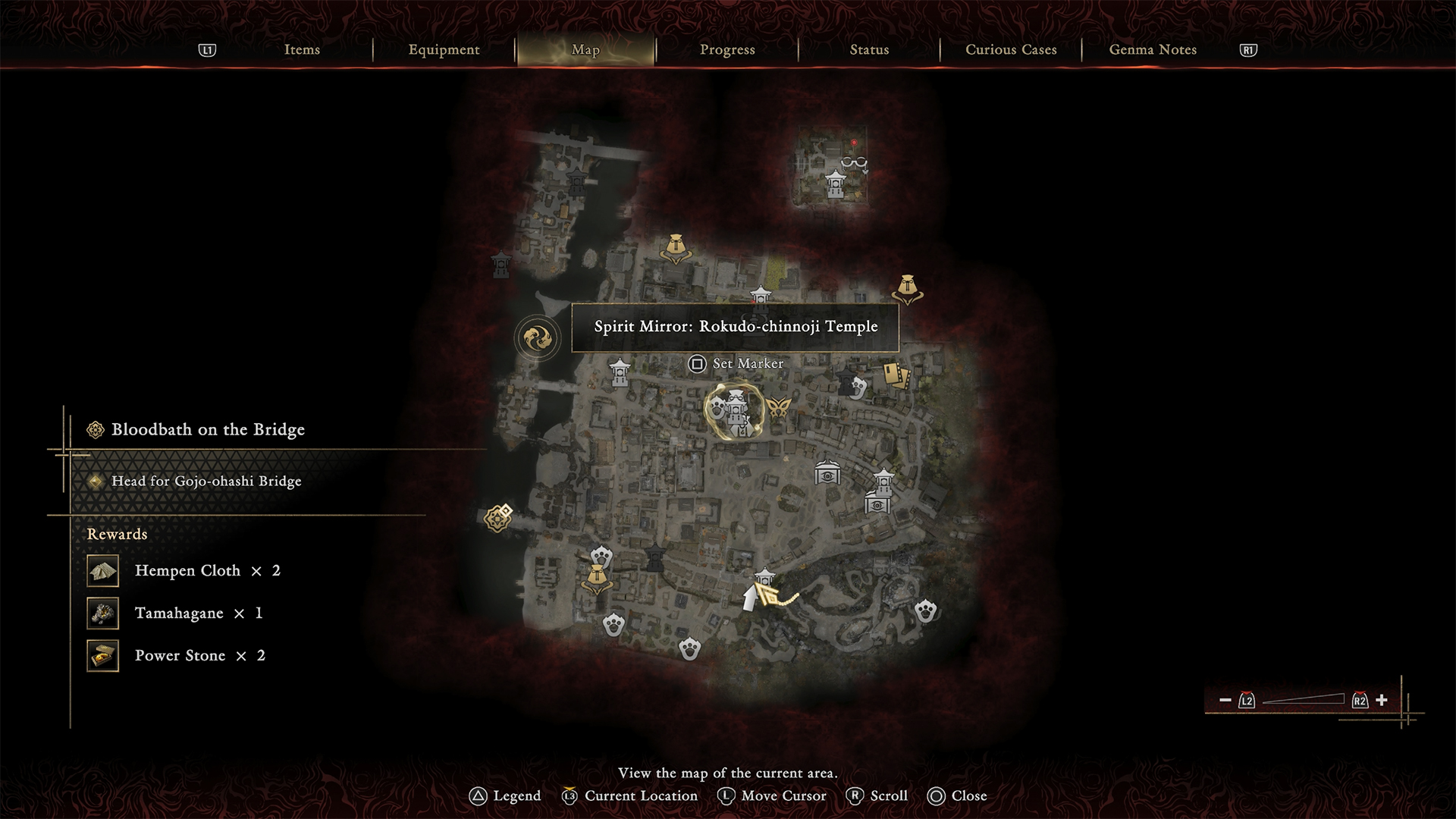 The various temples and main missions take place in more self-contained areas that are almost dungeon-like. Each featuring its own sort of gimmick, with some, like the underground laboratory, giving me strong horror vibes. These areas also feature parts that can only be accessed through return trips as you unlock new Oni powers or powerful enemies that would wreck me on my first time through. Thankfully, they could all be easily reached with a quick jump through one of the magic mirrors scattered around Kyoto that allows you to fast travel from one to the other. Saving a city from a horde of demons is a big ask, but small conveniences like this certainly help.
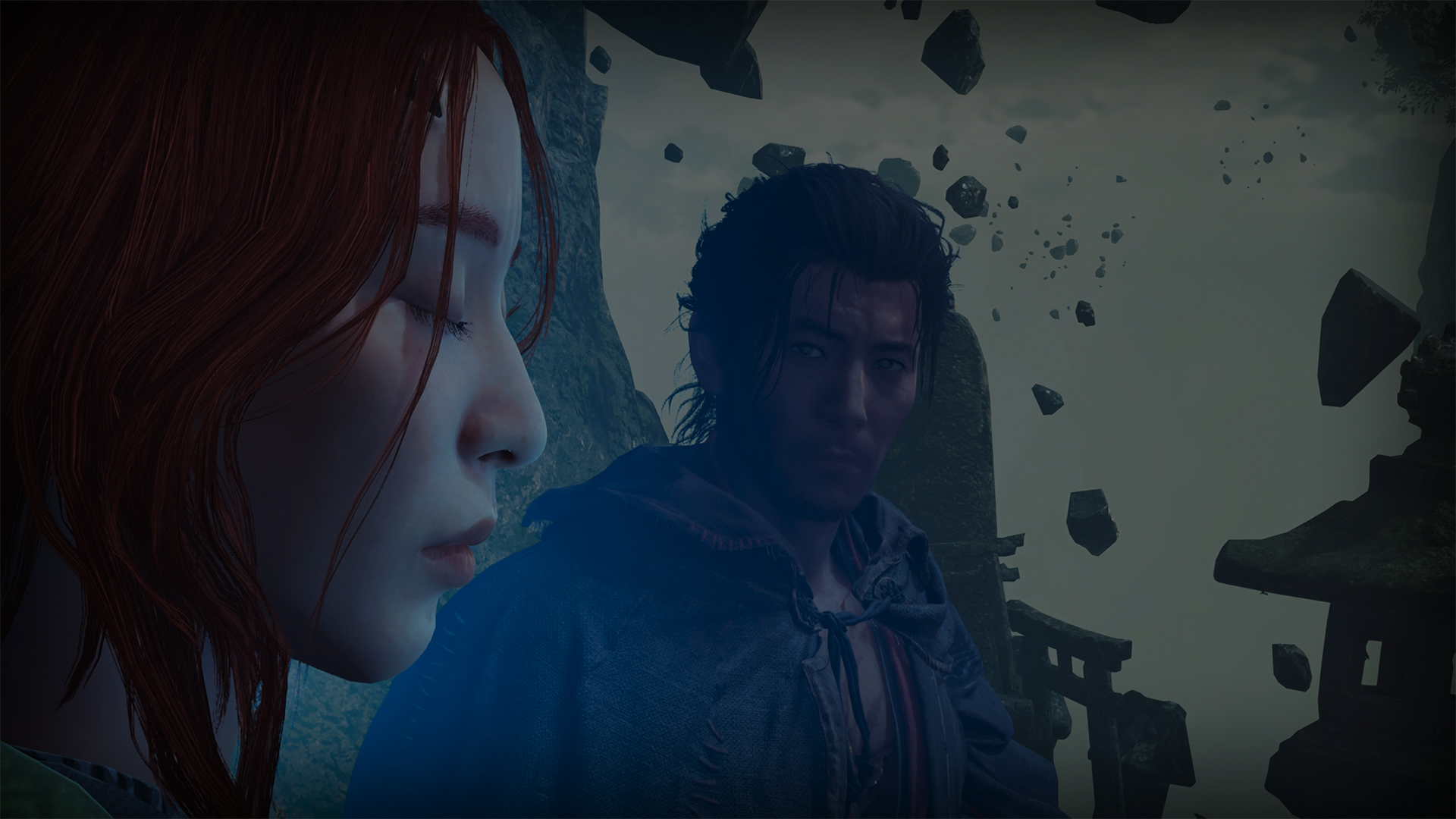
Musashi isn’t left to tackle this task alone, with the ever-present Oni spirit that resides in his Gauntlet, Shizuka, always by his side. Gauntlet Lady, as Musashi charmingly refers to her as in the beginning (a name she rather despises) manages to avoid the “annoying helper character” territory, occasionally chiming in warning when an opponent offscreen is about to attack or commenting on how well you did (or didn’t do) on the latest fight. I enjoyed the bits of banter between the two of them throughout the game.
Alongside Shizuka are a host of other support characters that Musashi will interact with over the course of his mission, with my favorite of these being the massive Takamaru, a gauntlet-wielding Onimusha himself who has protected the gate that divides the human world and hell for hundreds of years. Unlike the earlier Onimusha games, the soul-sucking gauntlets are more prevalent with you encountering allies and enemies alike wearing them, so this idea of a sort of mentor for Musashi makes a lot more sense, and fits inside Way of the Sword’s world. Plus, the menacing but also a bit jovial nature of Takamaru gave me a bit of “what if Santa was a demon fighting samurai” vibes that I am here for. Watching him create a monk statue in one scene and then a bit later watching him rage and grab his sword, on the verge of joining Musashi on the front lines, really shows off that this isn’t just a big old man chilling in a temple.
 Speaking of picking up the sword, Way of the Sword has some of the best combat in a game that I have played in a long time, landing in the middle between a heavy combo-centric gameplay Ninja Gaiden and the more observe-and-respond nature of a souls-like. Not as fast as a Devil May Cry, but quicker than Monster Hunter. The series insta-kill / heavy damaging Issen attacks which return and require perfectly time button presses, but is now joined by other options including your typical block, parrying, reflecting, and perfect dodges (referred to as Reflex Dodge). Paired alongside Musashi’s mix of light and heavy attacks and the special oni weapon attacks, all result in a system that lets you opt for a more defensive style or aggressive one. Regardless, your main aim is to reduce the stamina of an enemy and then perform a big hit to dish out the big damage numbers or kill the Genma outright.
By far, the most fun I had with Onimusha’s combat was with the spectacular bosses and mini-bosses that Musashi comes up against. Their attacks and behaviors are as varied as their designs (my personal favorite was the demon with the pompador) and it would often take me a handful of attempts before I finally scored the W. I often get frustrated trying to learn boss patterns and attacks in souls games but that frustration was largely non-existent here, thanks to just how quick you are able to get back in the fight when you do die. A simple “retry” button lets you start things off right away, no penalty and no time to forget the lessons learned from the previous attempt. It felt so good to be able to pick up on the tells leading up to an attack and nailing the timing on an Issen strike, watching the boss’ health plummet as a result.
One such boss that really threw me for a loop was the hulking Benkei, a heavily armored monk who was assaulting a bridge. My normal tactic of going in for quick hits while staying back to learn patterns was proving largely ineffective, as my attacks (outside of the occasional Issen or counter I pulled off) doing zero damage. It wasn’t until I broke his posture/stamina the first time and realized I had to break his armor pieces before I could start doing real damage to him, that I realized that I needed to start by focusing on breaking these parts before my real assault could begin. Figuring out these sorts of boss puzzles really helped to elevate the whole experience of Way of the Sword.
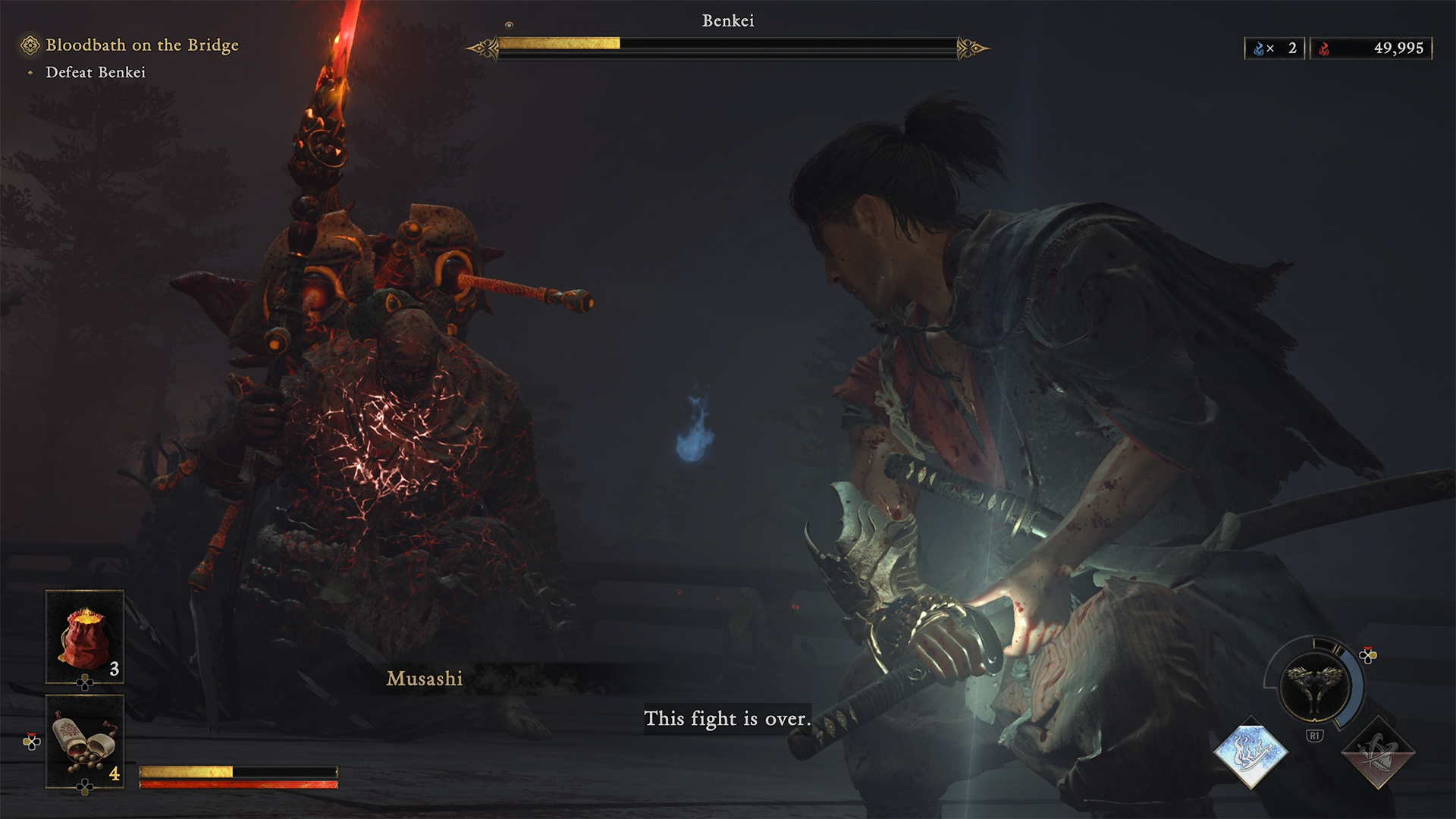 Tackling these bosses is so fun in fact, that I never passed up a chance to refight them in the practice area, just because it was fun. Though, some elite enemies you will encounter multiple times around the map and will drop required materials to strengthen your gear, so those are definitely worth practicing on. I really can’t wait to see what wild strategies and techniques speedrunners wind up pulling off on these bosses
As much as I adore the combat in Way of the Sword, the real heart and soul of this modern Onimusha is far and away Musashi himself. I knew he had some personality thanks to my previous hands-on time with it, but I wasn’t expecting Musashi to be my favorite part of this. Whereas previous protagonists Samonoske and Jubei (I never sank much time into Dawn of Dreams or remember much about its hero, Soki, other than the fact he was a blonde white dude) had more stoic and serious demeanors, Musashi is a much richer and interesting character.
Using the visage of the late legendary Japanese actor Toshiro Mifune (who actually played Musashi in a trilogy of samurai films, referred to as the “Samurai Trilogy” from the 1950s), the first time players are introduced to our hero, Musashi challenges the head of a swordsman school. Coming out victorious, he is promptly chased and attacked by the other students. The scene that follows would feel right at home in SEGA’s Yakuza series as Musashi slips, slides, kicks, and makes his way out of the sticky situation, up until…well, a bigger threat shows up and it doesn’t end well.
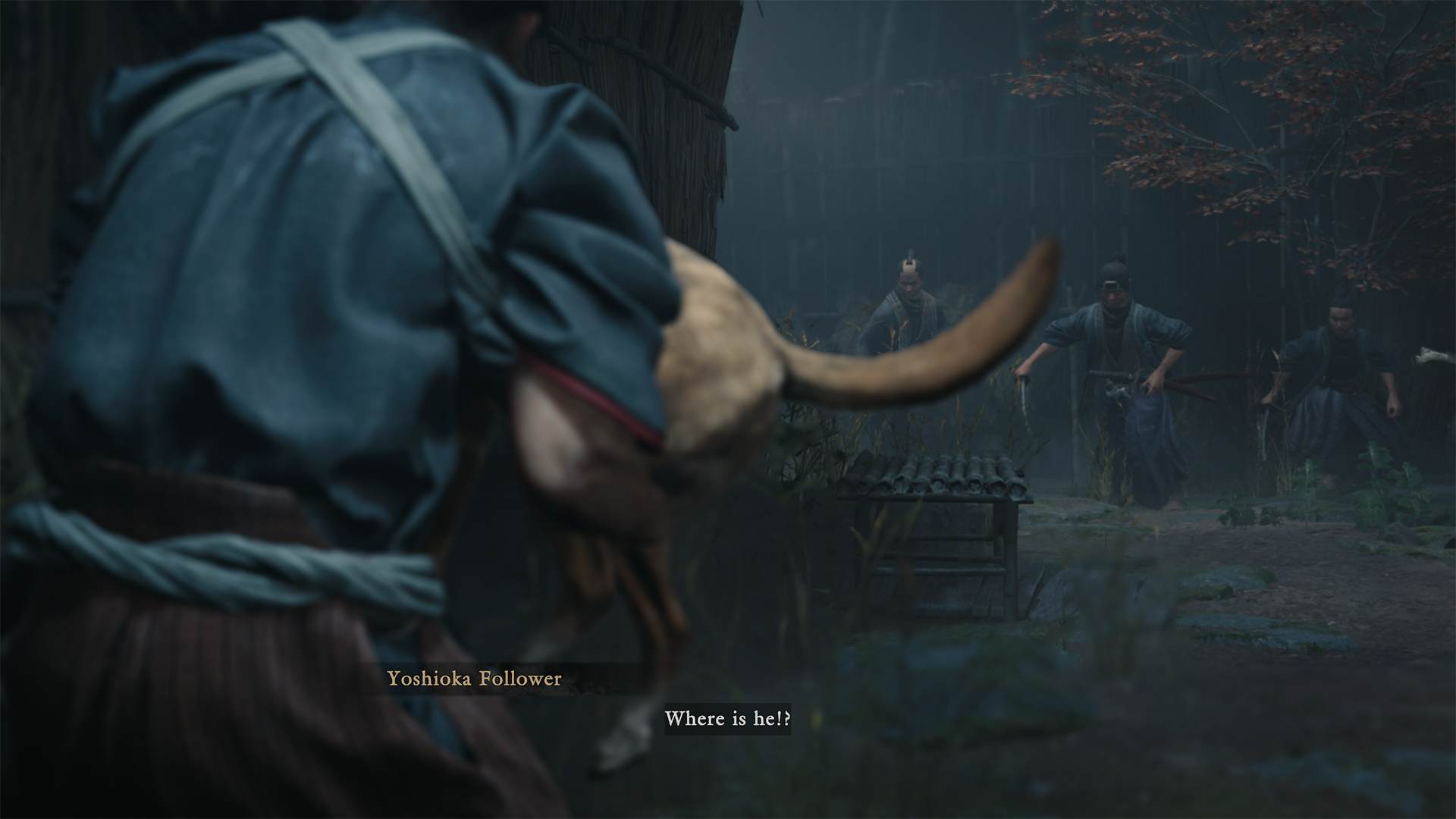 This short introduction paints a pretty perfect picture of who this new hero is – he values his own strength, he’s incredibly talented, he cares about the little guy (or dog in this specific case), but he also does things his own way. Musashi gets forced into his fight against the Genma and bear the gauntlet, but his sense of honor and wanting to do what is right, keeps him moving forward, though only after the occasional grumble. Our samurai always had this bit of a sense of bravado to him, mixed with a drop of old curmudgeon, but making him endearing, almost like Carl from Pixar’s Up.
All of this is further sold thanks to just how expressive Musashi is. During some of the especially wild moments in the early game as he was still getting used to the whole Genma thing, you can tell he is thinking “what the f***?!”, or his raising of the eyebrow just calling the character out. One of my favorite moments was after a big boss fight on a bridge meeting back up with Takamaru and company and the temple. Musashi sends back a line that Takamaru told him earlier, while he was still apprehensive about the whole situation, but now, accompanied with a sly smile, he was ready, and that smirk was letting everyone know “Don’t worry, I got this”. I just love the guy so much.
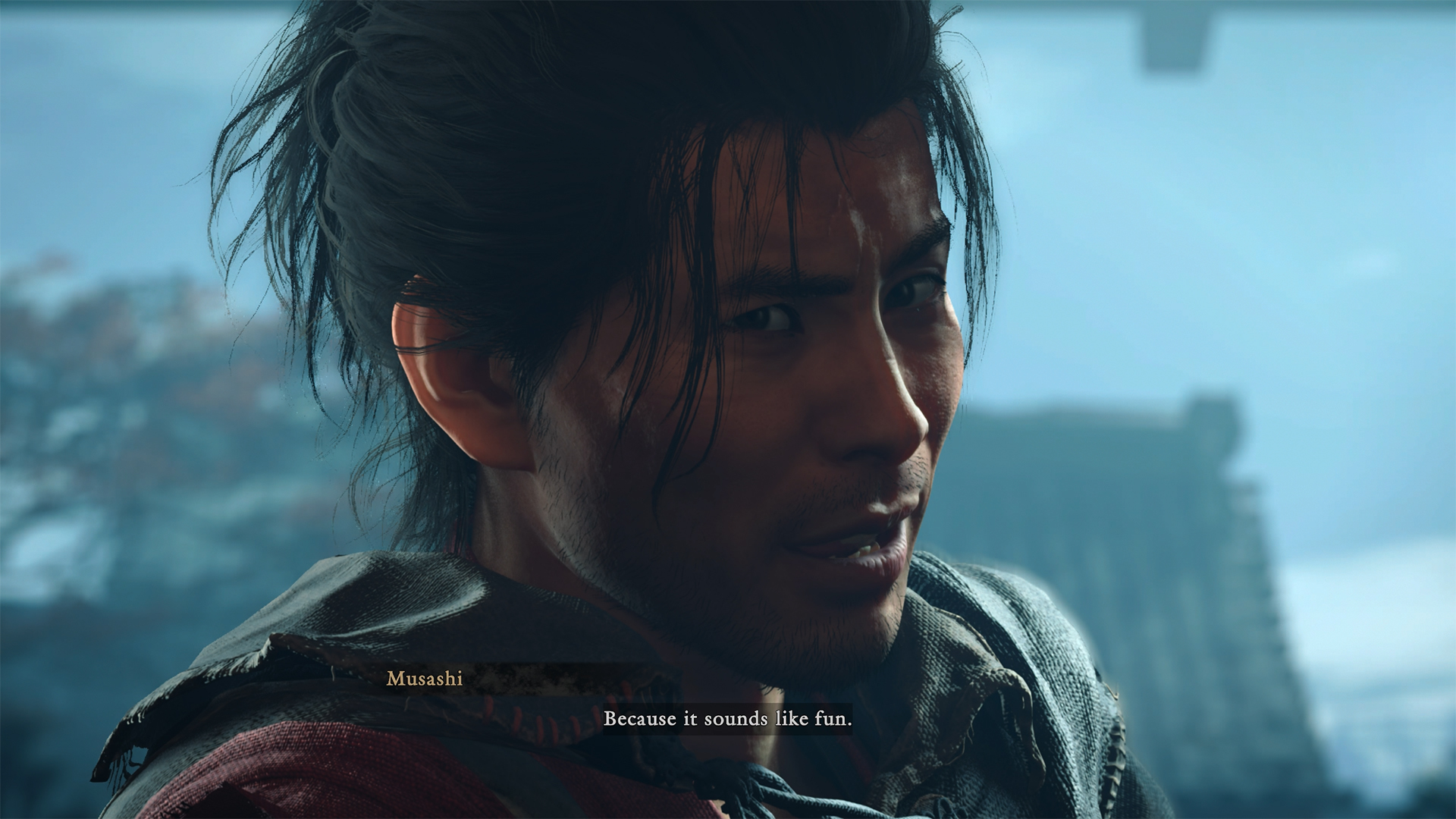 Onimusha: Way of the Sword is easily one of my favorite games of the year, and honestly at this point, Capcom has a solid lock on three of my top 10 spots, with Musashi leading the pack. Any real complaints I have about Onimusha are really just tiny nitpicks, such as wishing for a compass to help me navigate around Kyoto or notifications replaying their notifications if I interrupt them by entering a menu. Mere drops in the overflowing bucket that is all the great stuff that Way of the Sword delivers.
The Onimusha series will always hold a special place in my heart, with being one of the first real “next gen” games I got to experience after getting my PS2 on my birthday, and it has been one of Capcom’s franchises that I always hoped would make a return. Had you told me that not only would it come back in such a fantastic way as Way of the Sword does, but that my favorite part would be its main character, I don’t think I would believe you. But, I suppose we do live in unprecedented times. Wherever Onimusha goes next, I hope it follows in Musashi’s footsteps.


